TL;DR: which European grants are worth applying for?
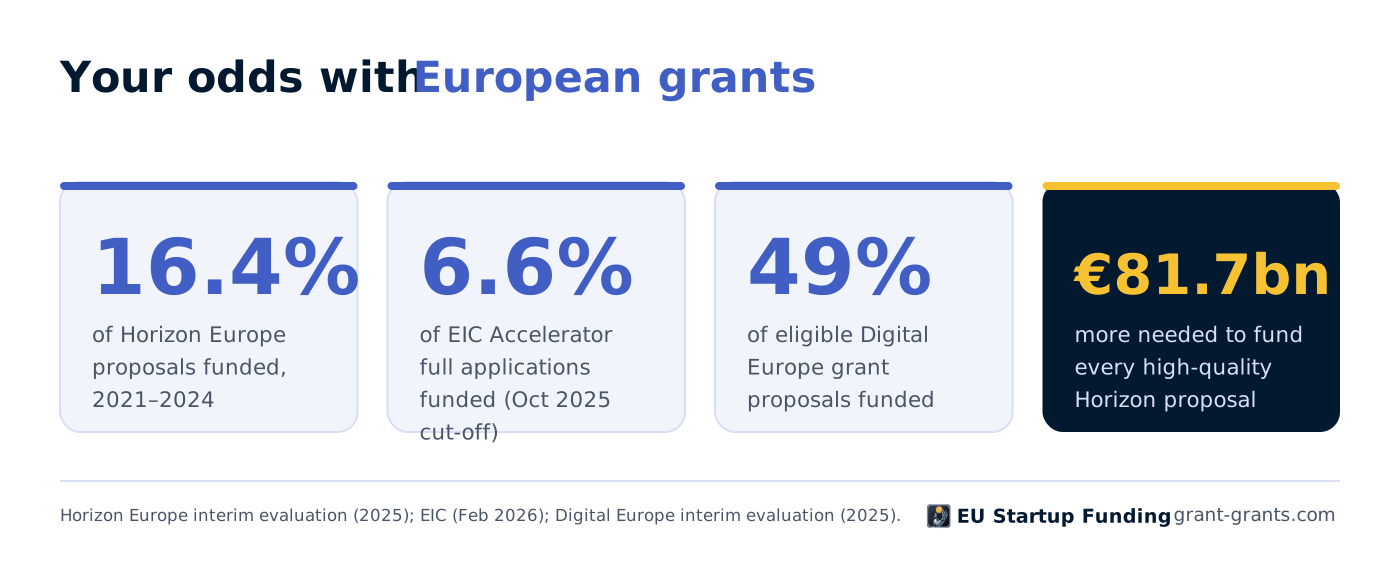
It depends on your odds, the amount and the effort. Across Horizon Europe, 16.4% of proposals were funded in 2021–2024. The EIC Accelerator funds about 6–7% of full applications but pays up to €2.5 million plus equity; EIC Pathfinder Open funded just 2.1% in 2025; Women TechEU about 4%. The best odds are in Digital Europe (49% of eligible grant proposals), Eurostars (19–29%), the Innovation Fund (17%) and cascade funding such as NGI Zero (about 14%). Below: success rates, amounts, funding rates and time-to-grant for each programme, and a checklist for deciding.
👉 See the next deadlines in our grant calendar
Every European grant looks attractive on paper. In practice, a full EU application can take weeks of work, months of waiting and, for most applicants, ends in a rejection. Knowing the odds before you start is the best way to spend your time on the programmes where you have a real chance.
This guide compares the main European grants for startups and SMEs on what matters: how much you can get, what share of costs is covered, how many applicants win, how much work it takes and how long until the money arrives. All figures come from official EU sources, with the year. For general win-rate benchmarks, see our grant writing success rate benchmarks.
European grants compared: amounts, odds and effort
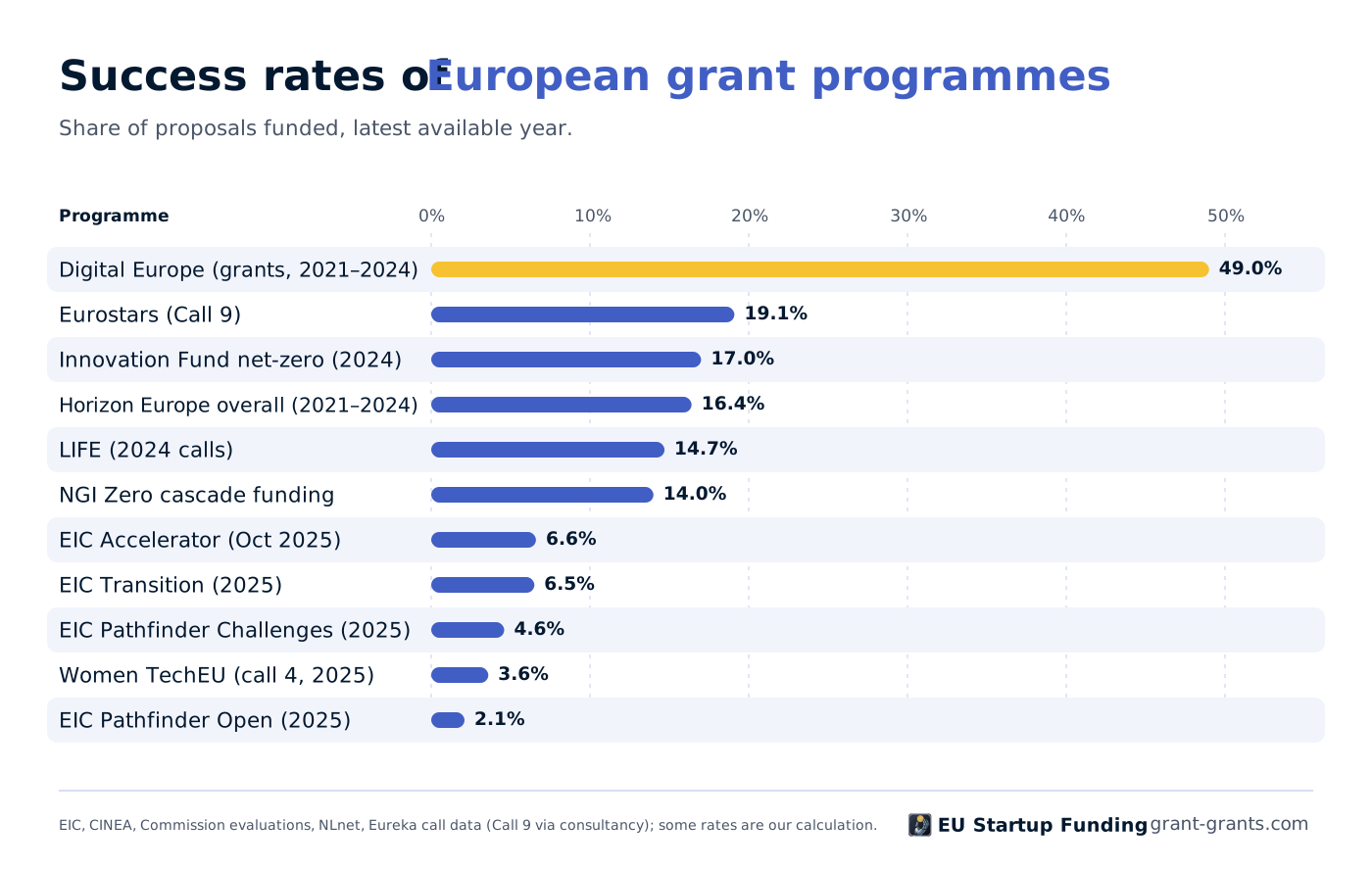
Success rates aren't directly comparable: some count all submitted proposals, others only eligible ones, and multi-stage programmes filter applicants early. Treat them as a guide to competition, not a forecast.
Horizon Europe: 1 in 6, with big differences by cluster
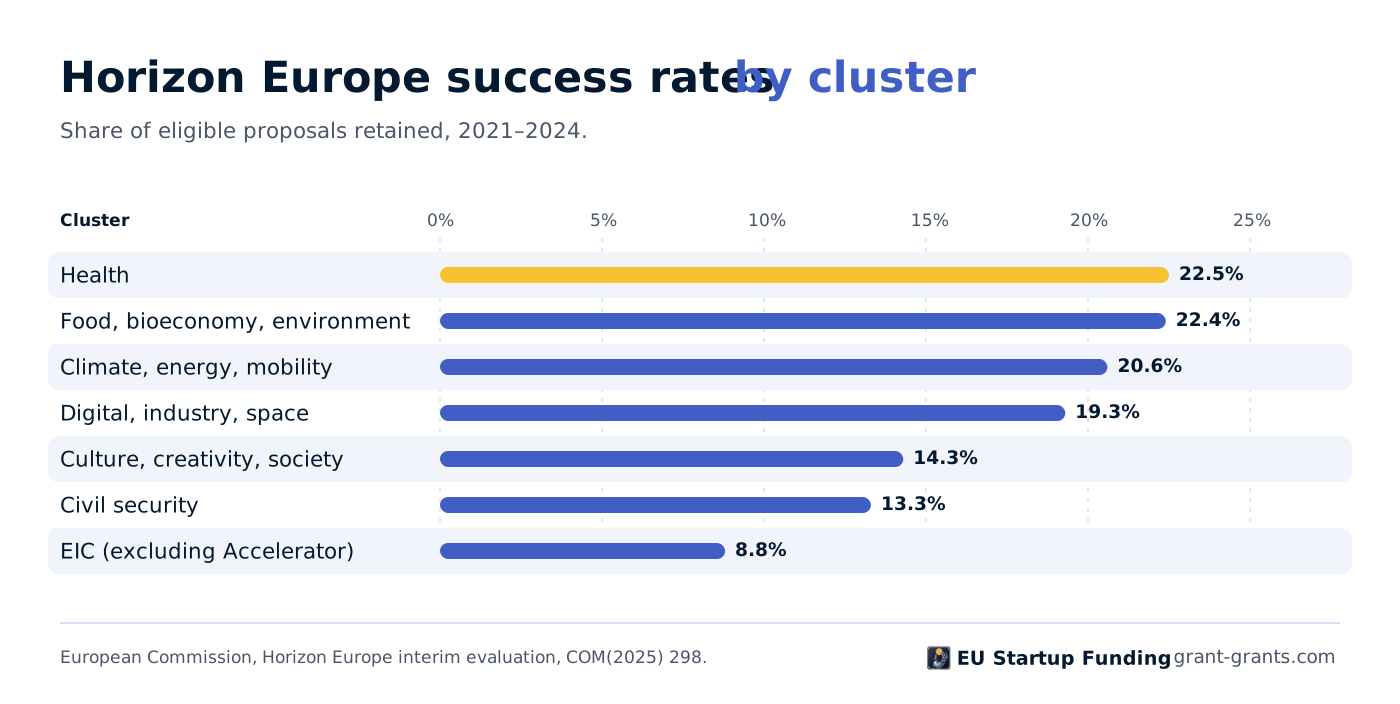
Between 2021 and 2024, Horizon Europe received 88,803 eligible proposals and retained 14,592, a success rate of 16.4%, according to the Commission's interim evaluation. More than half of all proposals passed the quality threshold, but only about 30% of those could be funded: another €81.7 billion would have been needed to fund every high-quality proposal. The average grant was €2.9 million, about €1.2 million for single-beneficiary grants and €4.2 million for consortia. SMEs made up 35.8% of the 28,136 unique participants.
The rules: research and innovation actions are funded at up to 100%, innovation actions at up to 70% for companies. The Commission aims to inform applicants about 5 months after the deadline and sign grants within about 8 months, according to the Horizon Europe general annexes; an independent study found the average was 273 days. See Horizon Europe opportunities for SMEs.
EIC Accelerator: long odds, big prize
The EIC Accelerator offers the largest single-company grant in Europe: a lump sum below €2.5 million covering up to 70% of costs, plus €1–10 million of equity. The process has four steps: a short proposal, a 20-page full proposal with an expert interview, a jury interview and, for equity, due diligence, according to the European Innovation Council.
- October 2024 cut-off: 1,211 full proposals, 431 interviews, 71 companies selected, about 5.9% of full proposals.
- October 2025 cut-off: 923 full applications asking for almost €7 billion, 121 interviews and 61 companies selected, about 6.6%, with €467 million committed, according to the EIC.
- Interview stage: once invited to the jury, between about a quarter and a half of companies were selected in recent cut-offs.
- Time to grant: 246 days on average in 2025.
- Seal of Excellence: strong proposals that miss out can receive a Seal, which some national agencies use to fund projects.
See our EIC Accelerator guide and the EIC Accelerator tips.
EIC Pathfinder and Transition
EIC Pathfinder Open drew a record 2,087 proposals in 2025 and funded 44, about 2.1%, according to the EIC; the Challenges did better at 4.6%. EIC Transition, which helps research results reach the market, funded 40 of 611 proposals in 2025 (6.5%) with grants of up to €2.5 million. These suit research teams and spin-offs more than early startups.
The programmes with better odds
Digital Europe
Between 2021 and 2024, 49% of eligible Digital Europe grant proposals were funded, though SMEs had the lowest success rate of any type of participant (51%, against 61% for large companies), according to the programme's interim evaluation. Projects are mostly consortia deploying digital capacities. See Digital Europe for startups.
Eurostars
Eureka says 29% of Eurostars applications receive funding, according to the Eurostars programme page; in Call 9, 124 of 648 proposals were recommended (19.1%). Funding is paid by national agencies at national rates, and no single partner or country may carry more than 70% of the budget. See Eurostars for cross-border R&D.
Innovation Fund and LIFE
The Innovation Fund's 2024 net-zero call received 359 applications asking for €21.7 billion against a €2.4 billion budget, according to the European Commission, and selected 61 projects (17%). The LIFE Programme's 2024 calls funded 132 projects from 895 applications, roughly 15% by our calculation, with standard projects funded at up to 60%. See Innovation Fund for climate tech and the LIFE Programme.
Cascade funding
EU-funded projects that pass grants on to third parties are often the easiest entry point: NGI Zero programmes received about 8,500 applications and funded 1,215 projects (about 14%) with grants of €5,000–50,000, according to NLnet. Applications are short and decisions fast. See cascade funding and sub-grants.
Women TechEU
Women TechEU is highly competitive: its last three calls of the 2024–26 edition drew 827, 1,038 and 1,107 applications for 40 grants each, a success rate of 3.6–4.8%, according to EISMEA. With €75,000 and coaching at stake, it's still worth a well-prepared application; for other routes, see the funding playbook for female entrepreneurs.
How to decide if a grant is worth it
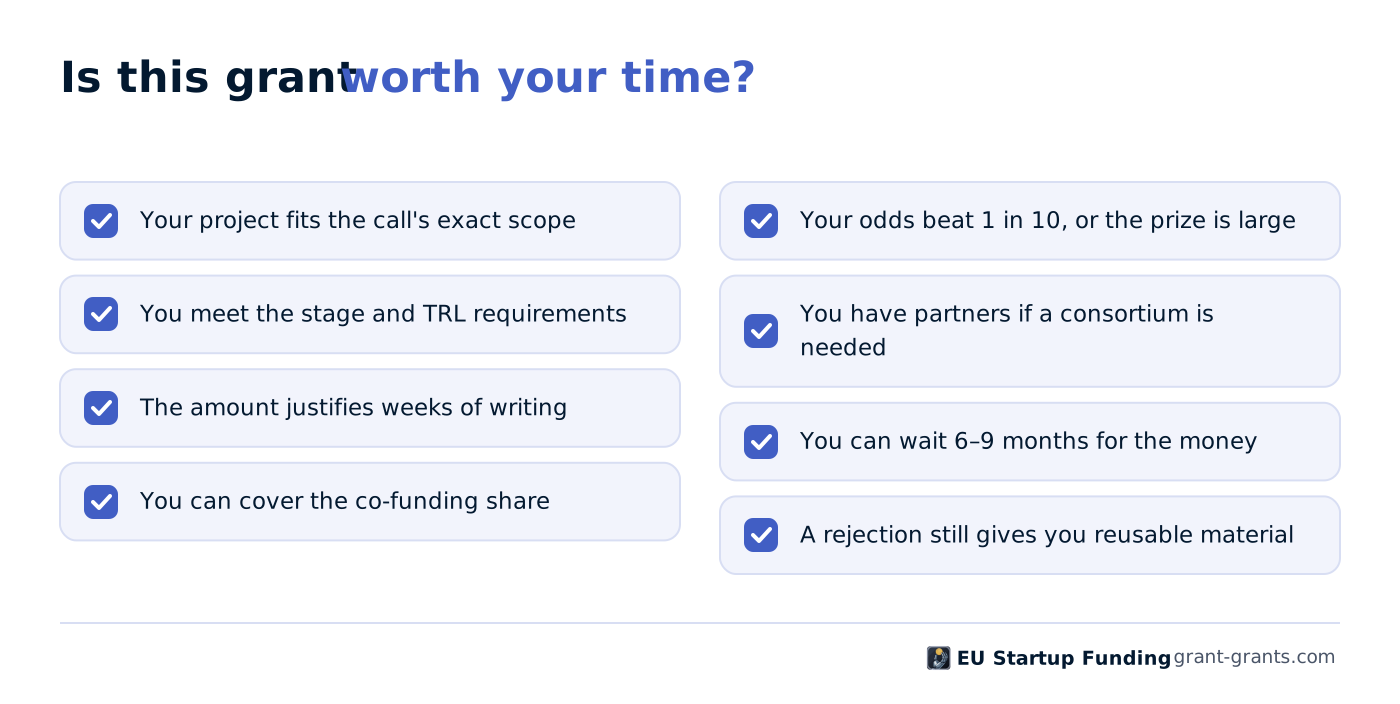
- Calculate the expected value. A 6% chance of €2.5 million is worth more on paper than a 49% chance of a small share of a consortium grant, but only if you can afford the effort and the wait.
- Start where the odds are better. National grants, cascade funding and Eurostars are realistic first steps; see the main startup grant in each EU country.
- Reuse your material. A rejected EIC proposal can become a national application or a Seal of Excellence; see reapplying after rejection.
- Improve your odds, not just your numbers: see how to increase your grant win rate.
Sharpen your business case before you apply
Grant evaluators score impact, market and team. The Fe/male Switch startup game helps you build all three, with an AI co-founder guiding each step.
👉 Start the game
Conclusion: pick your battles
European grants range from Digital Europe, where about half of eligible proposals win, to EIC Pathfinder Open, where 2 in 100 do. Horizon Europe overall funds about 1 in 6, the EIC Accelerator about 1 in 15 full applications but with the biggest prize, and cascade funding offers quick, small grants with decent odds. Match the programme to your stage, weigh the odds against the effort, and build up from national and smaller EU grants to the big ones.
FAQ: European grants and success rates
What is the success rate of Horizon Europe?
16.4% of eligible proposals were funded between 2021 and 2024, ranging from 13.3% in civil security to 22.5% in health, according to the Commission's interim evaluation.
What is the EIC Accelerator success rate?
About 6–7% of full applications in recent cut-offs: 61 of 923 in October 2025 and 71 of 1,211 in October 2024. Once invited to the jury interview, between a quarter and a half are selected.
Which EU grant is easiest to get?
Among EU programmes, Digital Europe (49% of eligible grant proposals funded) and Eurostars (19–29%) have the best odds; cascade funding calls such as NGI Zero funded about 14%.
How long does it take to get an EU grant?
Horizon Europe targets about 8 months from deadline to signed grant; the EIC Accelerator averaged 246 days in 2025.
How much do EU grants pay?
Horizon Europe grants averaged €2.9 million (about €1.2 million for single beneficiaries). The EIC Accelerator pays up to €2.5 million plus equity; Women TechEU €75,000; cascade grants €5,000–50,000.
What funding rate do EU grants cover?
Research and innovation actions up to 100%, innovation actions up to 70% for companies, the EIC Accelerator grant up to 70%, and LIFE standard projects up to 60%.
Is it worth applying for the EIC Accelerator?
If you have a breakthrough innovation close to market and can invest weeks of work, yes: the prize is large. Prepare for a low success rate and reuse the material if you're not selected.
What is a Seal of Excellence?
A quality label for strong proposals that couldn't be funded; some national and regional agencies use it to fund those projects instead.
