TL;DR: EdTech Grants for Education Innovation Can Fuel Startup Growth
EdTech grants for education innovation provide an exceptional opportunity to create impactful solutions while maintaining control and sustainability. From funding impactful tools to gender-forward STEM initiatives, grants foster growth in underserved communities and educational tech spaces. Female entrepreneurs in Europe improve their chances by targeting cross-border programs, gender equity in STEM, and cost-effective solutions.
💡 Want to uncover tailored grant options? Dive into Europe’s Sector-Specific Grant Opportunities to find impactful support for your EdTech ideas.
EdTech Grants for Education Innovation are reshaping the educational landscape, empowering schools, and transforming startup opportunities. For a female entrepreneur like myself, bootstrapping in Europe, these grants offer a chance to create meaningful, scalable solutions without exhausting resources. This piece will guide you through available funding opportunities, their impact, and strategic approaches to maximize the benefits.
“Bootstrapped startups often survive longer and achieve profitability faster than funded ones. Grant opportunities provide a catalyst for innovation without compromising control.”
Are you ready to leverage EdTech grants to lead education innovation?
Explore the best grant sources and strategies to make your startup thrive.
👉 Discover Impact Grants
What Grants Are Available for Educational Innovation?
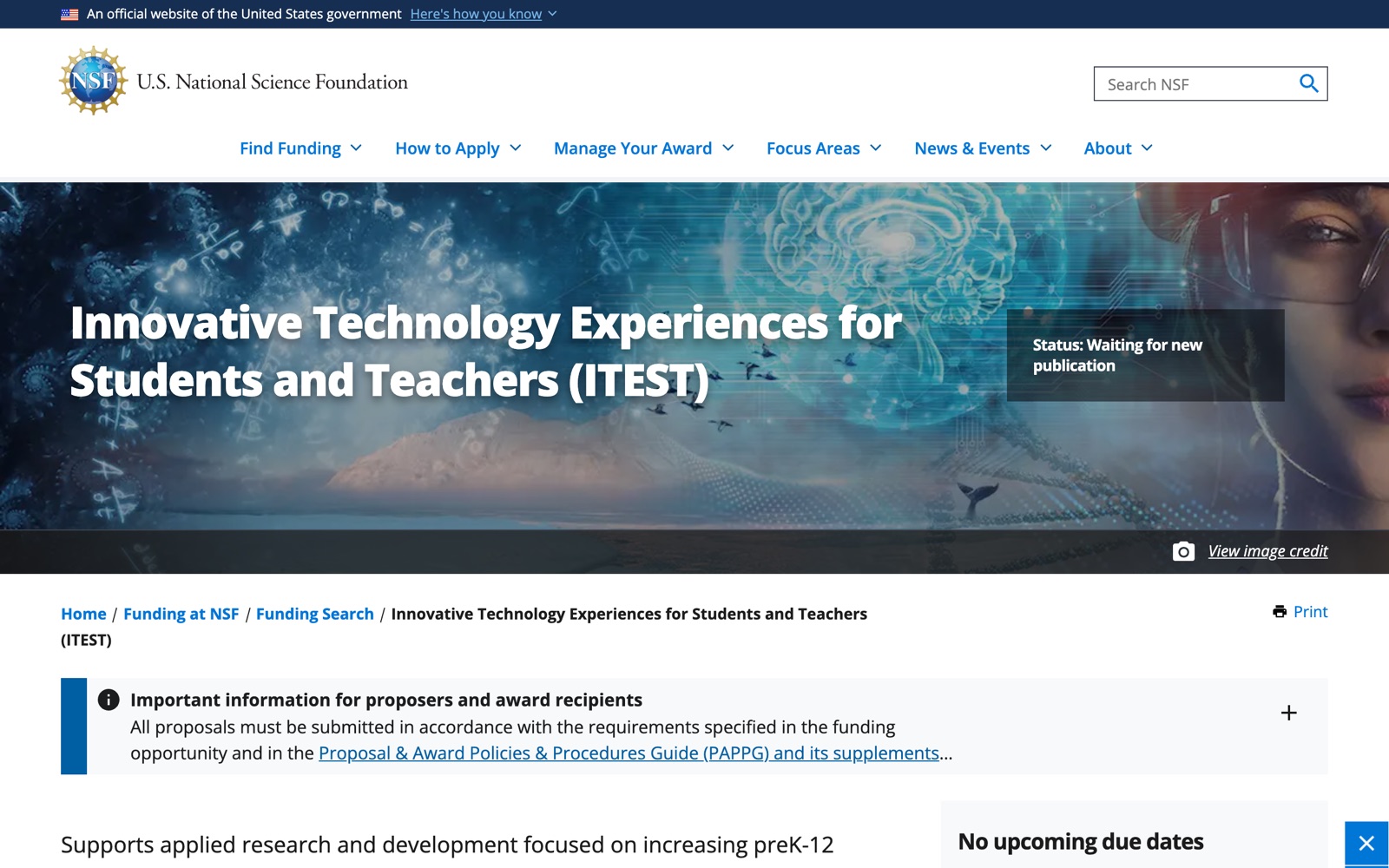
Grants are pivotal in overcoming financial hurdles and encouraging innovation. For instance, the U.S. Department of Education's Education Innovation and Research program enables schools to trial high-impact projects. Similarly, the National Science Foundation’s ITEST funds tech-driven learning for PreK-12 institutions, supporting over 200 projects annually.
Startups targeting educational technology can also explore the EdTechTeam’s Student Device Grant Program, helping educators secure Google Chromebooks. I recommend visiting CultureTech Funding for details about creative education initiatives integrated with tech.
Eligibility and Application Tips for Female Founders
Navigating eligibility criteria requires specifics. Female founders bringing unique perspectives to classroom challenges often have priority. Highlight measurable outcomes, such as increased STEM participation. Align proposals with government priorities like reducing literacy gaps using AI-powered tools. Female founders who position as community enablers shine in application rankings.
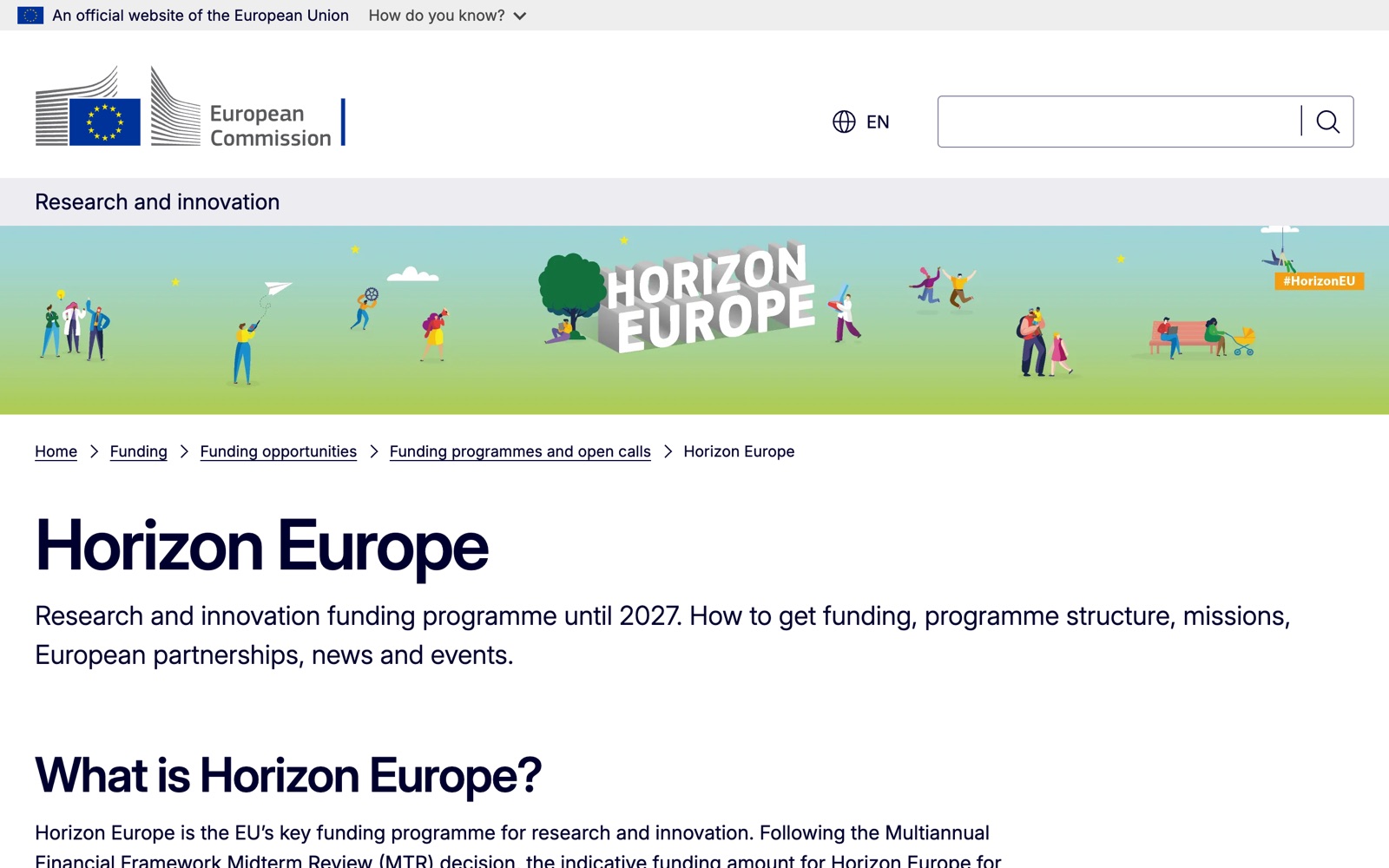
Pro tip: For EU-based programs like Horizon Europe, emphasize the cross-border scalability of your solution. Programs that focus on boosting gender equality in STEM offer a significant edge for female-led startups. Collaborative grants favor partnerships over sole ventures.
Actionable Strategies for Leveraging EdTech Grants
- Document measurable solutions: Use clear KPIs in your proposals. Quantify how your tech transforms learning outcomes.
- Highlight cost-effectiveness: Showcase how grant funding amplifies results efficiently compared to private investors.
- Build partnerships: Collaborate with educators or government research nodes.
- Focus applications on underserved groups: Solutions targeting economically disadvantaged learners gain priority.
- Use storytelling frameworks: Explain how your journey as a founder shapes your unique ability to address systemic gaps.
The systematic focus on narrative in your proposal could be the difference. For example, when I applied for Fe/male Switch's funding, my ability to merge gamification with active startup learning resonated deeply with gender-diversity initiatives. The same approach applies across these grants.
What Are Common Mistakes and How Can You Avoid Them?
For female entrepreneurs, the tension lies in defining credibility while navigating biases hidden in application feedback. Here are three common pitfalls:
- Missing deadlines: Implement rolling calendar checks to stay proactive.
- Underestimating the power of visuals: Use infographics and user testimonials capturing the impact.
- Ignoring co-innovator insights: Grants favor cross-disciplinary contributions. Lack of advisory alignment weakens applications.
My solution at Fe/male Switch combat barriers directly with AI co-founders assisting users in proposal creation, which tripled early conversion. Methods like personalization and structured test pilots are vital across industries entering EdTech.
Grant Program Breakdown: What Works Best?
Horizon Europe offers visibility for multi-country initiatives. The Creative Industries Fund promotes alignment between social narratives and tech solutions, a powerful combination for female leaders identifying hybrid cultural solutions for spaces like rural remote learning.
Emerging Grant Trends That Female Entrepreneurs Should Watch
Post-pandemic EU funding trends show deeper focus on gender-balanced entrepreneurship. Female representation correlates directly into improved funding metrics. Sustainability emerged as top priority within edtech grant filters. Solutions merging environmental considerations with tech-enhanced learning will be prioritized.
Emerging also are programs providing women-only access for non-traditional equity replacements. The scale greatly targets B2B entrepreneurship experiments. Strategic analysis highlights educational mini-program accelerators for second-tier educators implementing AI penetration piloting students aged 10-16, a next step broadly enhancing STEM.
Looking for strategic tools to accelerate impact?
Find intersections between EdTech and industries to scale visibility.
👉 Sector-Specific Grants
Leveraging these trends effectively closes accessibility gaps faster for women leaders. Specific social learning pilots remain impactful spaces for small businesses aiming expansion versus consolidated operations.
Final Takeaways and Next Steps
Success lies in strategic alignment with grant priorities and framing application insights to highlight achievements over obstacles. As female founders, dismantling barriers comes with demonstrating operational excellence paired by funding suitability targeting long-term community pivots.
EdTech grants break ceilings. Women in Europe bootstrap unique solutions targeting underserved space models that merge automation enhancements via AI grant metrics suitable directly aligning impactful narratives at scale. If disruptive education technology grants resonate now, imagine applying this consistency leveling gender positioning thriving outcomes enablers.
People Also Ask:
What are EdTech Grants for Education Innovation?
EdTech grants are financial supports aimed at fostering new and effective uses of technology in education. These grants often focus on providing educators, schools, and institutions with the resources needed to implement digital tools, software, and innovative teaching approaches to enhance learning outcomes and access for students.
Who can apply for EdTech innovation grants?
Typically, educational institutions (K-12 schools, colleges, and universities), educators, nonprofit organizations, and sometimes EdTech companies are eligible to apply. Eligibility criteria vary depending on the specific grant program.
How do EdTech grants improve education?
EdTech grants allow schools to integrate advanced tools like AI-driven software, interactive platforms, and other digital resources into classrooms. By doing so, they enrich teaching methodologies, improve student engagement, personalize learning, and address gaps in educational access.
Are there grants specifically for low-income schools?
Yes, many grant programs prioritize low-income schools to ensure equitable access to technology. These are designed to help underserved students and communities benefit from modern educational technologies, breaking barriers to opportunity.
Can EdTech companies apply for these grants?
In some cases, EdTech startups and companies can apply for innovation-oriented grants. Programs like SBIR and STTR offer funding for research and development within small businesses that develop cutting-edge educational technology.
How do I know if my project qualifies for a grant?
Review the specific eligibility criteria provided by the grant organization. Most programs clearly outline project focuses or outcomes they support, such as STEM education, teacher training, or accessibility improvements.
What's the typical application process for an EdTech grant?
Applicants usually begin by identifying active grant programs and verifying qualification criteria. The process may include submitting proposals, detailed budgets, and project plans followed by evaluation and approval stages. Some grants may require revisions or interviews.
What are common mistakes to avoid in grant applications?
Common pitfalls include using vague or unsubstantiated claims, failing to tailor applications to specific grant goals, ignoring instructions, or providing unrealistic budgets. Data-supported and clear narratives, aligned with the grant’s focus, work best.
What alternatives exist if I don’t secure a grant?
Alternatives include crowdfunding, partnerships with corporations, or local business sponsorships. Educators and schools can also explore competitions offering technology rewards or apply for smaller, regional grant programs.
How can I find EdTech grants relevant to my work?
Regularly check websites of educational foundations, government organizations, or specialized platforms like EdSurge. Subscribe to relevant newsletters or join educational communities that share funding opportunities.
FAQ on Leveraging EdTech Grants for Innovation
How do EdTech grants boost innovation in education?
EdTech grants provide resources to develop technology-driven classroom solutions. They enable startups and educators to design impactful tools targeting STEM, literacy, and creative learning, fostering equitable education access worldwide.
Which EdTech grants specifically target female founders?
Programs like Horizon Europe emphasize gender equality in STEM, allocating funding for innovative female-led startups. Additionally, EU initiatives highlight collaborative partnerships for scaling solutions aligned with inclusivity and diversity goals.
What are essential tips for a strong EdTech grant application?
Address funder priorities by showcasing measurable outcomes and scalability. Include curated metrics like improved literacy rates or AI-driven engagement results. Emphasize underserved groups, such as economically disadvantaged learners, and utilize storytelling to highlight unique founder perspectives.
How do these grants compare globally?
European programs like Erasmus+ prioritize cross-border innovation. Asia's EduSpaze accelerator and the Temasek Foundation grants focus on early-stage EdTech solutions. The U.S. specializes in literacy innovation through initiatives like ITEST. Learn more from our in-depth guide on funding across Europe.
What is the role of storytelling in grant proposals?
Compelling storytelling connects technical innovations with real-world impact, helping your application resonate with reviewers. Female-led startups can particularly narrate how their solutions address educational gaps from unique perspectives.
Are collaborative grants better for startups?
Collaborative grants often offer higher funding and prioritize projects that demonstrate partnerships with cross-disciplinary teams or local stakeholders, increasing credibility and practical impact.
How can startups sustain themselves between grant cycles?
Leverage small grants for working capital, focus on generating revenue from pilots, and collaborate with educational institutions for cost-sharing. Diversifying funding sources ensures organizational stability during gaps.
What post-pandemic trends affect EdTech grants?
Recent trends prioritize eco-conscious solutions, AI-based innovations, and gender-balanced entrepreneurship. Programs target sustainability and emphasizing solutions for remote or hybrid learning environments.
What common documentation errors delay funding?
Skipping deadline checks, unclear KPIs, and inadequate co-partner roles harm eligibility. Maintain detailed records, align expectations with grant goals, and avoid generic templates for specific call requirements.
Where can I find a list of relevant EdTech grants?
Explore comprehensive resources featuring geographic-specific funding tips and timelines in our article on the top EdTech grants. These lists aid strategic alignment for desired outcomes.
